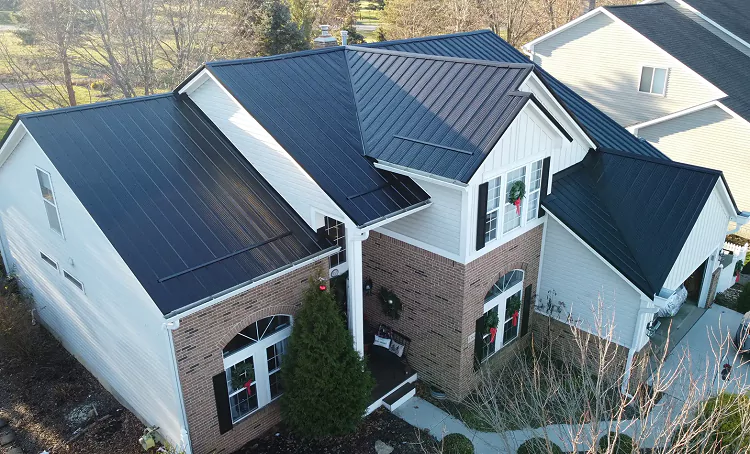
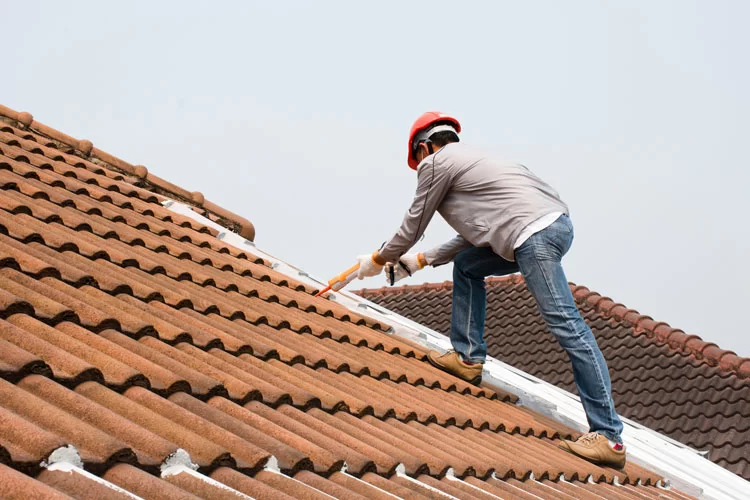
Author: the0co19

  • How Roof Cleaning and Roof Replacement Can Help You Avoid Roof Leaks in Parramatta

    How Roof Cleaning and Roof Replacement Can Help You Avoid Roof Leaks in Parramatta

    Imagine the awfulness of a roof that leaked, causing injury to an unsuspecting soul and bringing in substantial repair costs. Now, in Parramatta, and these days of uncertain weather, it is even more crucial to keep your roof from leaks to uphold your property’s value and comfort. The best two methods to prevent a leak and extend the life of your roof are through roof cleaning and roof replacement. This guide will explain how these services come into play, their importance, and how they prevent headaches due to roof leaks.

    Understanding the Importance of Roof Maintenance in Parramatta

    Parramatta enjoys its very particular weather pattern with some heavy rains during some seasons, heavy sunshine, and the occasional thunderstorm threatening to strike. These weather conditions constantly stress roofing materials, resulting in accelerated wear and tear. Since the roof is supposed to protect the entire home from water ingress and external damage, maintaining it in good condition becomes very critical.

    Many homeowners do not regard roof cleaning and maintenance as important. They presume their roofs are built to last forever without attention. Most of the time, neglecting maintenance damages the roof, leading to leakage and structural impairment. Provided for a cleaning of metal roofs followed by repair or roof replacement, a well-maintained roof assures the owners of peace of mind and fewer costly unforeseen expenses in an emergency.

    How Roof Leaks Develop Over Time

    Usually, roof leaks do not suddenly appear; gradual deterioration occurs due to many causes. One such cause is the buildup of organic matter such as moss, algae, and dirt on the roof surface. These make the environment moist, weakening roofing materials. Over time, tiles and metal sheets might crack, and metal sheets might corrode, giving way to water entry.

    The gutters and downpipes are expected to divert water from your home safely. Blocked gutters hold water on the roof, or water spills uncontrolled down the side, increasing the chances of leaks. Another factor could be the flashing around chimneys, vents, and valleys. If the flashing becomes loose or damaged, it can open up gaps through which water seeps.

    Heavy rains and storms exacerbated the problems while pressure was applied on weakened roofs. Temperature changes with continuous exposure to UV rays cause the roofing materials to become brittle and lose their surface protective coatings. Without regular roof cleaning and tendered inspections, this combination will quickly cause minor incidents to become leakages.

    What is Roof Cleaning and Why It Matters

    Roof cleaning is the process of removing moss, algae, dirt, and debris from your roof to restore its condition and prevent damage. In Parramatta, where leafy trees and damp conditions can promote organic growth, regular cleaning is particularly important. Roof cleaning is usually performed using specialised equipment such as low-pressure washers or eco-friendly chemical solutions that safely eliminate moss and stains without damaging roofing materials.

    Cleaning your roof not only improves its appearance but also prevents moisture from lingering on the surface, which can cause tiles or metal sheeting to degrade faster. Removing built-up debris from gutters and downpipes during cleaning ensures rainwater flows freely and reduces overflow risks. When moisture is allowed to sit on the roof for long periods, it weakens the substrate and leads to leaks.

    Many Parramatta homeowners are surprised to learn that regular roof cleaning can extend their roof’s lifespan by several years. It is a cost-effective way to maintain the roof’s integrity and delay the need for expensive repairs or a full roof replacement. Clean roofs also contribute to better home energy efficiency, as dirt and moss can reduce the roof’s ability to reflect heat.

    How Roof Cleaning Protects Against Leaks

    The key to preventing roof leaks is eliminating the conditions that allow water to penetrate roofing materials. Roof cleaning tackles this by removing moss and algae that trap moisture. Mosses absorb water and retain it against tiles or metal, leading to cracks and corrosion. By eliminating this growth, the roof dries faster after rain, reducing damage.

    Additionally, cleaning gutters and downpipes ensures water is carried away smoothly without pooling on the roof edges or foundations. Proper drainage prevents water from seeping into vulnerable areas such as the eaves or under tiles. When water does not drain properly, it can cause wood rot and weaken structural supports, eventually causing leaks inside your home.

    The process also reveals any underlying damage or areas requiring repair, allowing homeowners to address issues early. This proactive approach helps avoid emergency repairs and protects your home from water damage, mould growth, and unpleasant odours caused by leaks.

    What is Roof Replacement and When is it Needed?

    While roof cleaning is effective for maintaining your roof’s condition, sometimes the damage is too extensive, or the roof is too old to be saved by cleaning and repairs alone. In these cases, a full roof replacement is necessary to provide lasting protection.

    Roof replacement involves removing the existing roofing materials, such as tiles or metal sheeting, and installing new ones. This service is often needed for roofs that are more than 20-25 years old, have multiple broken or missing tiles, extensive rust or corrosion on metal roofs, or structural issues such as sagging.

    Replacing your roof completely eliminates the problem areas that cause leaks. It also provides the opportunity to upgrade to modern materials, such as Colorbond steel or improved terracotta tiles, which offer better durability, resistance to weather, and warranties. New flashing, gutters, and downpipes are typically installed as part of the replacement, enhancing water management and preventing future leaks.

    Signs You Should Schedule Roof Cleaning or Replacement

    Knowing when to call for roof cleaning or a full roof replacement can save you from costly repairs. If you notice moss or algae growing on your roof, dark stains, or debris accumulation in gutters, it’s time to arrange for cleaning. Also, after storms or heavy winds, inspect your roof for loose or broken tiles.

    If you observe cracked, missing, or rusted roofing materials, sagging areas, frequent leaks inside your home, or if your roof is over two decades old, it may be time to consider roof replacement. Delaying replacement when necessary increases the risk of water damage and higher repair costs.

    Why DIY Roof Cleaning Is Risky and Professional Help is Recommended

    While some homeowners may attempt roof cleaning themselves, this task can be dangerous and may cause damage if not done properly. Roofs can be slippery and fragile, and improper use of pressure washers or harsh chemicals may erode roofing materials or void warranties.

    Professional roof cleaning services use specialised equipment and techniques that safely and effectively clean roofs without damage. Experts can also identify early signs of damage and recommend appropriate repairs or replacement before leaks occur.

    Similarly, roof replacement requires skilled workmanship to ensure proper installation of all roofing components. Hiring professionals guarantees that flashing, gutters, and roofing materials are correctly fitted to prevent leaks.

    The Cost-Effectiveness of Roof Cleaning and Roof Replacement

    Many homeowners hesitate to invest in roof maintenance due to perceived costs. However, regular roof cleaning is relatively affordable and can save thousands by preventing leaks and structural damage. It also improves the lifespan of your existing roof, postponing the need for costly replacement.

    When roof replacement is necessary, choosing quality materials and workmanship is an investment in your home’s future. While upfront costs can be significant, a new roof reduces ongoing maintenance and repair expenses and protects your home against expensive water damage and insurance claims.

    In Parramatta, where weather conditions can be harsh on roofing, investing in both cleaning and replacement services at the right time ensures the best long-term value.

    Environmental Benefits of Maintaining Your Roof

    Maintaining your roof through roof cleaning and careful roof replacement also benefits the environment. Keeping your roof in good condition means fewer materials are sent to landfill prematurely due to damage. Many modern roofing materials are recyclable and designed with sustainability in mind.

    Moreover, clean roofs with reflective coatings contribute to reducing the urban heat island effect by reflecting sunlight rather than absorbing it. This lowers cooling demands and energy consumption in your home.

    How Often Should You Schedule Roof Cleaning and Replacement?

    For most Parramatta homes, professional roof cleaning every one to two years is sufficient to prevent moss growth and debris buildup that cause leaks. More frequent cleaning may be needed if your property is surrounded by dense trees or experiences heavy storms regularly.

    Roof replacement timing varies depending on your roof’s material, age, and condition. Generally, metal roofs can last up to 40 years with proper maintenance, while tiled roofs may need replacement after 20-30 years. Scheduling an inspection every few years helps determine the best time for replacement to avoid leaks and damage.

    What to Expect During a Professional Roof Cleaning or Replacement

    During a professional roof cleaning, the team will first inspect your roof for damage, then use specialised tools and eco-friendly solutions to remove moss, algae, and dirt without harming the tiles or metal. Gutters and downpipes will also be cleared to ensure proper drainage.

    For roof replacement, the process starts with a thorough inspection and detailed quote. The old roofing materials are carefully removed, and any underlying structural issues are repaired. New roofing sheets or tiles, flashing, gutters, and downpipes are installed to the highest standards, followed by a final inspection to ensure everything is watertight.

    FAQs About Roof Cleaning and Roof Replacement in Parramatta

    1. How does roof cleaning prevent leaks?

    Roof cleaning removes moss, algae, and debris that trap moisture on roofing materials. This prevents deterioration such as cracked tiles or rusted metal, which are common causes of leaks. Cleaning also clears gutters to ensure water drains properly off the roof.

    2. Can roof cleaning replace the need for roof replacement?

    No, roof cleaning is a maintenance service designed to prolong the life of your existing roof. If your roof has significant damage, age-related wear, or structural issues, roof replacement will be necessary to fully prevent leaks.

    3. How often should I have my roof cleaned?

    In Parramatta, a professional roof cleaning every 1-2 years is generally recommended. However, properties near trees or with visible moss growth may require more frequent cleaning to avoid damage.

    4. What signs indicate I need a roof replacement?

    Common signs include multiple broken or missing tiles, rust or corrosion on metal roofs, persistent leaks despite repairs, sagging roof sections, and a roof older than 20-25 years without regular maintenance.

    5. Is roof replacement costly, and is it worth it?

    While roof replacement can be a significant investment, it provides lasting protection against leaks and damage. High-quality materials and professional installation reduce ongoing maintenance costs and increase your home’s value, making it worthwhile in the long term.

    Conclusion: Protect Your Parramatta Property from Roof Leaks Today

    Avoiding the costly and stressful consequences of roof leaks starts with regular roof maintenance. Professional roof cleaning removes harmful debris and organic growth that accelerate roof deterioration. When damage or age catch up, timely roof replacement restores your roof’s integrity and prevents leaks from occurring.

    By investing in these services, you not only protect your home from water damage and mould but also improve its energy efficiency and increase property value. If you live in Parramatta and notice signs of roof wear, don’t wait until leaks appear. Schedule a professional roof inspection to determine whether cleaning, repairs, or replacement is the best solution for your home.

  • The secret to delicious homemade bread

    The secret to delicious homemade bread

    If you’ve dreamed of slicing into a golden, crackly loaf fresh from your own oven, this guide is for you. With simple ingredients, good technique, and a bit of patience, homemade bread is easier and more rewarding than it seems. Let’s break it down, step by step.

    Start with good-quality flour

    When baking homemade bread, choosing the right flour is key. Type 650 flour is a great option. This is a less refined, slightly darker flour, ideal for leavened doughs like bread, focaccia, rolls, or donuts. It has a higher mineral content and enough gluten to support a good rise and structure.

    For cozonac (a traditional Romanian sweet bread, often filled with nuts, cocoa, or raisins) a different flour is more suitable: type 000 flour. It’s an extra-refined, fine flour with a high gluten content, perfect for soft, elastic doughs that rise well and hold their shape.

    Sift the flour

    Sifting flour might seem old-fashioned, but when it comes to homemade bread, it’s a step that makes a real difference. It helps break up any lumps, aerates the flour, and ensures a light, even texture in the dough.

    If the flour has been sitting for a while, sifting also prevents using packed, overly dense flour that could throw off the recipe. This simple step makes kneading easier and helps the dough rise more evenly, leading to fluffier, better bread. So even if it’s not always needed in everyday baking, for bread, sifting is definitely worth the extra minute.

    Preparing the starter (maia)

    Here’s where the magic quietly begins. Place the sifted flour into a large bowl — light, airy, and ready for transformation.

    If you’re using dry instant yeast, here’s a little trick: mix it straight into the flour with 2 teaspoons of sugar. No need to dissolve it — once warm water hits, it knows exactly what to do.

    But if you’re using fresh yeast, there’s a special ritual. Rub it with sugar until it melts into a smooth, creamy paste, like sour cream. Add 50 ml of warm water and a spoonful of flour, stir gently, and let it rest somewhere warm. In just 10–15 minutes, it will bubble up and double in volume — a quiet sign that your dough is ready to be born.

    Now, all that’s left is to slowly work in the rest of the warm water, salt, and oil. From here, the dough starts to come alive.

    Mix and knead the dough

    One of the real secrets to great homemade bread isn’t just in the ingredients. I’s in how you treat the dough. Once water, salt, and oil are mixed in, kneading brings it to life.

    Oiling your hands and folding the dough inward helps trap air, which makes the bread rise beautifully. Then comes the traditional trick: slap the dough into the bowl several times. It may look odd, but it spreads air evenly, making the dough smoother, more elastic, and easier to handle.

    If it’s still sticky, add a touch of flour and knead a bit more. Once soft and springy, let it rest. That’s when the magic really starts.

    Let the dough rise

    Place the dough back in the bowl, smooth out the top, and cover it. Keep it somewhere warm and draft-free. A good rule of thumb: your dough should triple in size before moving to the next step. This usually takes 1 to 2 hours.

    Bake it right

    Great bread needs more than just heat. It needs the right heat at the right time. Start baking at 160°C for 10 minutes to help the dough rise gently and avoid cracks. Then increase to 180°C and bake for another 30–50 minutes, until golden and hollow-sounding when tapped.

    Once out of the oven, take the bread out of the pan and brush it with water (or sweetened water) for a soft, shiny crust. Then, let it cool on a rack – that’s the secret to keeping the crust tender, not tough.

    Bonus: Add-ins for variety

    Want your bread to stay soft for longer? A traditional trick is to add mashed potatoes or even a bit of cooked, soft malai (polenta) into the dough. This not only stretches your flour further but also keeps the crumb moist for days.

    That’s all you need: 1 kg of flour10 g dry yeast (or 25 g fresh yeast), 2 teaspoons of salt2 teaspoons of sugar50 ml of oil, and 650 ml of warm water. Simple ingredients, no fancy tools, just your hands, a warm kitchen, and a bit of patience.

    Don’t worry if it’s not perfect the first time. Bread has a way of teaching you as you go. So roll up your sleeves, trust the process, and enjoy the magic of turning a few humble ingredients into something warm, fluffy, and made with love. You’ve got this!

  • Luxury Trip to Egypt – Experience the Pyramids, Nile, and Ancient Wonders in Ultimate Comfort

    Luxury Trip to Egypt – Experience the Pyramids, Nile, and Ancient Wonders in Ultimate Comfort

    Imagine embarking on a journey that combines the mystique of ancient civilizations with the epitome of comfort and luxury. A journey to Egypt offers an unparalleled experience, with the majestic Pyramids, the serene Nile River, and other Ancient Wonders awaiting your discovery.

    This extraordinary adventure promises to envelop you in the rich history and culture of Egypt, while ensuring that every moment is filled with comfort and sophistication. As you traverse the land of the pharaohs, you’ll be treated to unparalleled experiences that blend adventure, relaxation, and cultural immersion.

    From the majestic Pyramids of Giza to the tranquil waters of the Nile, every aspect of this journey is designed to provide a truly unforgettable experience. Whether you’re a history buff, an adventure seeker, or simply looking to unwind in style, this luxury journey promises to exceed your expectations.

    Planning Your Luxury Trip to Egypt: When to Go and What to Expect

    To make the most of your luxury trip to Egypt, it’s essential to plan ahead, taking into account the best travel seasons and premium accommodations. Egypt’s climate varies significantly from north to south, making some times of the year more suitable for travel than others.

    Trip to Egypt

    Best Seasons for Visiting Egypt in Comfort

    The best time to visit Egypt is from October to February, when the weather is cooler and more comfortable for exploring. This period is ideal for archaeological tours and enjoying the historical sites without the harsh summer heat.

    Premium Accommodations in Cairo, Luxor, and Aswan

    Egypt offers a range of premium accommodations in major cities like Cairo, Luxor, and Aswan. From luxurious hotels to exclusive resorts, travelers can enjoy high-end amenities and services that cater to their every need, ensuring a truly high-end experience.

    Preparing for a High-End Egyptian Experience

    Preparation is key to a successful luxury trip. Researching and booking premium accommodations and guided tours in advance can make a significant difference. Understanding the local culture and customs can also enhance the travel experience.

    Experiencing Egypt’s Ancient Wonders in Style

    Discover the majesty of Egypt’s ancient civilization with exclusive access to its most revered sites. Egypt’s rich history is a treasure trove for luxury travelers seeking unique experiences.

    VIP Access to the Pyramids of Giza and the Sphinx

    Enjoy VIP access to the Pyramids of Giza, one of the Seven Wonders of the Ancient World, and explore the enigmatic Sphinx without the crowds.

    • Private entrances to avoid long queues
    • Guided tours by expert Egyptologists
    • Exclusive viewing areas for unparalleled photo opportunities

    Private Tours of Luxor’s Temples and the Valley of the Kings

    Luxor, known as the world’s greatest open-air museum, offers private tours of its magnificent temples and tombs.

    1. Personalized tours of the Temple of Karnak and Luxor Temple
    2. Exclusive visits to the Valley of the Kings, including Tutankhamun’s tomb
    3. Insights into the history and mythology from knowledgeable guides

    Exclusive Archaeological Experiences with Expert Egyptologists

    Delve deeper into Egypt’s ancient past with exclusive archaeological experiences led by expert Egyptologists.

    These experiences offer a unique glimpse into the archaeological processes and discoveries that shape our understanding of Ancient Wonders.

    Special Access Tours with Archaeological Paths

    Explore Egypt’s ancient sites via special access tours, like those offered by https://archaeologicalpaths.com, that follow archaeological routes and offer a more intimate connection with the history and landscapes of Egypt.

    • Access to restricted areas not available to the general public
    • Behind-the-scenes insights into archaeological work and conservation efforts
    • Personalized interaction with archaeologists and historians

    Indulging in Luxury Nile Experiences and Creating Unforgettable Memories

    A Luxury Trip to Egypt is not complete without experiencing the majesty of the Nile River. Luxury Nile experiences offer a serene and opulent way to explore the country’s ancient wonders. On a luxury Nile cruise, travelers can unwind in style while discovering the rich history and culture of Egypt.

    As you sail along the Nile, you’ll have the opportunity to visit iconic sites, enjoy fine dining, and relax in comfort. The luxury cruises offer exclusive archaeological experiences, allowing travelers to delve into Egypt’s fascinating past with expert Egyptologists. These experiences create Unforgettable memories that last a lifetime.

    Whether you’re exploring the temples of Luxor, visiting the Valley of the Kings, or simply enjoying the tranquility of the Nile, a Luxury Trip to Egypt promises to be an unforgettable adventure. With its unique blend of luxury, history, and culture, Egypt is a destination that will leave you with a deep appreciation for this ancient land.

  • Why is Pest Inspection Important Before Buying a House?

    Why is Pest Inspection Important Before Buying a House?

    Buying a house is one of the enormous financial commitments in a person’s life and requires thoughtful planning, budgeting, and a complete understanding of what one is investing in. One vital thing that mostly slips by many potential homebuyers is the condition of the property in terms of pests. Building pest inspection is not a step that should be omitted from the buying process of a house since it serves as a guard against all unforeseen problems that can massively affect your investment and the security of your family. The article expounds on why a building pest inspection is vital before buying a house, which could help one make an informed decision.

    Understanding Building Pest Inspections

    Before you understand why pest inspections are essential, here are the meanings of the words. Building bug inspection is a complete inspection of a property to check for any signs of pest infestation or damage caused by pests, including termites and rodents, that can cause structural and human health problems. Pest inspections are usually conducted by a licensed building inspector in Sydney, who typically examines all the places in and around the building, hiding and visible, to catch a glimpse of potential pest-related issues.

    The comprehensive  building pest inspection focuses on identifying the pests and determining the extent of the damage they have caused. This inspection generally puts the buyer on firm ground concerning the property’s current condition. It saves them potentially very high costs incurred due to pest damage hidden from view.

    The Role of a Building Pest Inspector in Sydney

    The Sydney building inspector is critical to ensuring that the house does not have major pest-related problems before you purchase the property. His work means looking for visible signs of infestation and using specialized tools and techniques for detecting pests hiding within walls or under floorboards.

    The experienced inspectors are often found using a moisture meter, thermal imaging, or even a borescope to see levels of moisture and temperature changes or damage that such pests as termites may be causing but which is hidden. Conditions that the insects might find likely to attract them to the property in terms of things such as leaking, damp wood, or other access points might also be checked. Hiring a professional building inspector in Sydney will ensure that you have a comprehensive report highlighting possible issues you might overlook.

    Why Is Pest Inspection Important Before Buying a House?

    Now that we understand a building pest inspection let’s dive into why this step is essential when purchasing a property. Many homebuyers focus on a house’s aesthetics and structural integrity but neglect the hidden threats that pests can pose. Here’s why pest inspections should be a priority:

    1. Uncover Hidden Pest Infestations

    The primary objective of a building pest inspection is to locate hidden infestations. Indeed, most pests, such as termites and rodents, are tough to detect without professional assistance. In many cases, termites remain hidden within the walls or foundations of property and eat wood up silently. Severe structural damage may have already been inflicted when visible damage is perceived.

    Pest inspections include infestations that are not visible to the untrained eye. For example, the existence of hard-to-reach places may host hidden colonies of termites, while roof voids have rodents nesting inside, and over time, the damage may have been done before one finds out. Early detection of these hidden problems is best achieved by having a professional building pest inspection before they become major cost expenditures during repairs.

    2. Protect Your Investment from Expensive Repairs

    Buying a home is a substantial financial investment. However, pest repair is one acquisition you shouldn’t expect to inherit from it. The termite control cost and other charges to repair structural damages and related issues might cost thousands of dollars.

    Through building pest inspections, you may determine whether the property you are eyeing has been infestation-free and if works are needed. When finding pest presence, you can contest with the seller based on the findings or, at worst, leave the premises. Either way, a building pest inspection will save you from huge costs in unexpected repairs and renovations.

    3. Ensure the Safety of Your Family

    Apart from financial considerations, pests can be hazardous in terms of health and safety for your family. Some examples of pests that bring diseases are rodents whose infection and vectors are contaminated food sources or chewing the electrical wiring, creating fire hazards. Termites, on the other hand, are a more direct threat. They invade a house’s walls and frame, and if damage is not controlled, they cause the collapse of walls, floors, or even roofs.

    A building pest inspection would go a long way toward discovering these hazards and suggesting a treatment or repair plan. Thus, exterminating these pests early means more peace of mind when you know there are no health and safety hazards in your new home.

    4. Gain Leverage in Negotiations

    If any infestations or damage are due to pests found by the building pest inspection, this is the correct information to negotiate. Knowledge about pest-related issues allows you to ask the seller to reduce the property’s price or repair the pest issue before the sale. Sometimes, you may ask the seller to cover the treatments and repairs required to mitigate the damage.

    Otherwise, you risk not being made aware of these issues, thus becoming worse after the settlement of the sale. Therefore, The building pest inspection empowers you to make choices guided by knowledge and get a fair deal.

    5. Peace of Mind for Homebuyers

    Lastly, homebuyers now have peace of mind because of a building pest inspection. Buying a new home can be emotionally draining, and having pest problems hidden from sight makes it much more difficult. Knowing well that your new home does not harbor any pests and associated damages should lead you to your new house confidently and without the anxiety or stress that often follows problems becoming evident after the home has been bought.

    What Happens During a Building Pest Inspection?

    A typical building pest inspection is a detailed process that covers a wide range of areas on the property. Here’s a breakdown of what happens during the inspection:

    Visual Inspection

    For the most part, an inspector will visually inspect the interior and exterior of the property. In particular, visible animal signs, such as droppings, nesting, and wood damage, will be noted. The inspector will also look at areas where pests tend to thrive. Such regions include inferior drainage, all wall cracks, and gaps along the roof or floorboards.

    Structural Evaluation

    Similarly, the inspector will assess the structural integrity of the house. All evidence of termite or rodent activity, mainly affecting damage to the foundation, roof, walls, and floors, is inspected. The inspector will look for possible indicators of structural damage, such as sagging beams, punctured walls, or uneven floor levels, all of which may hint at pest incidences.

    Use of Technology

    To maximize the efficiency of the inspection, the building inspector may use specialized instruments, such as moisture meters, thermal imaging cameras, or borescopes, to detect possible areas of pest residency. These tools may become pertinent by picking up minor temperature or moisture level differences due to pest activity, leading an inspector to look for problems not immediately visible.

    Reporting

    Following the completion of the inspection, a building inspector will issue you a detailed report. This report would outline all areas of concern, providing the types of pests detected, the areas affected, and any possible pest control or repair recommendations. This document will give you significant input in deciding whether to proceed with the purchase or seek some remediation.

    Common Pests Found During Inspections

    During a building pest inspection, several common pests are often found, including:

    Termites

    These, the most destructive of pests in Australia, gain entry and cause significant damage to the woodwork of a property. The need for a building pest inspection arises so that termite infestation is diagnosed before they causes irreparable damage.

    Rodents

    Rats and mice, common household pests, can damage the property’s electrical wires, insulation, and structural elements. They pose a health hazard because of their capacity to spread disease and contaminate food.

    Cockroaches

    Perhaps you’d never associate cockroaches with pest control, but they are another common nuisance that can sully the cleanliness and hygiene of your new home. Though they rarely cause damage to the structural framework, they are agents of harmful microorganisms and allergens.

    Other Insects

    Other pests, such as ants, fleas, spiders, etc., may also be part of the picture on a property. They do not do much damage, yet their existence can be annoying and affect your comfort.

    How Often Should You Get a Pest Inspection?

    An inspection occurs before a building purchase; even if it is an old house or situated in a place where there was pest infestation once upon a time, one should not forget to perform a building pest inspection. Soon after purchase, such inspections should continue once a year, after checkup on fresh infestations or damage.

    FAQs

    1. Why do I need a pest inspection before buying a house?

    A pest inspection helps detect hidden pest infestations and damage that may not be visible to the untrained eye. It can prevent unexpected repair costs and ensure the safety of your family.

    2. What happens if pests are found during the inspection?

    If pests are found, the inspection report will provide detailed findings, and you can use this information to negotiate repairs or a price reduction with the seller.

    3. How much does a pest inspection cost?

    The cost of a building pest inspection can range from $200 to $500, depending on the size and location of the property.

    4. How long does a pest inspection take?

    Typically, a building pest inspection takes between 1 and 2 hours, depending on the property’s size and the inspection’s complexity.

    5. Can I skip the pest inspection if the property looks fine?

    While a property may seem pest-free, some pests, such as termites, can be hidden in hard-to-reach areas. A professional inspection ensures that no hidden issues go undetected.

    Conclusion

    Hence, a building pest inspection is a prerequisite to buying a house. It helps show hidden pest issues, such as termites or rodents, that damage property substantially with huge repair costs. You hire a building inspector in Sydney to ensure your new home is safe, sound, and free of mice and cockroach risks. Don’t lose this basic service to rid yourself of worries and help you make a well-informed, secure investment.

  • Discover the Heart of Europe and Make the Most of Your Weekend Trip

    Discover the Heart of Europe and Make the Most of Your Weekend Trip

    In the central region of Europe, history, culture, and breathtaking landscapes attract millions of tourists every year. If you’re planning a weekend trip to visit some of the most beautiful destinations in the region, you’ll have a hard time choosing the perfect places to visit. Whatever you decide, you’re in for a treat, as Central Europe offers many experiences that can be enjoyed in just a few days.

    Start in Budapest

    Budapest, capital of Hungary is the perfect destination for all types of travelers. Rent a car in Hungary, and it’s going to be easier to reach nearby countries, making it the perfect starting point for your Central European adventure.

    Begin your day with a visit to Buda Castle, a UNESCO World Heritage site that provides breathtaking views of the Danube and the Pest side of the city. Walk up to Fisherman’s Bastion, where you can take the perfect photos to send to your family and admire the neo-Gothic architecture.

    Grab a lunch nearby, then go across the Chain Bridge, one of Budapest’s most iconic landmarks, to reach the ever-busy streets of Pest. Visiting the Hungarian Parliament Building is a must, as it is an architectural masterpiece, and then take a walk by the river and admire the amazing view it has to offer.

    In the evening, enjoy a dinner cruise along the Danube River, where you can see Budapest’s most iconic landmarks illuminated, then head to one of the city’s famous ruin bars for a nightcap.

    Remember to rent a car in Hungary so you can continue your journey the next morning.

    Explore Vienna

    Take a short drive from Budapest to Vienna, capital of Austria. Start your day at Schönbrunn Palace, the former summer residence of the Habsburg dynasty. Walk through the grand rooms, admire the beautiful, carefully landscaped gardens, or visit the world’s oldest zoo, Tiergarten Schönbrunn.

    Next, head to the historic city center, where you can visit St. Stephen’s Cathedral, one of Vienna’s most important religious landmarks. Walk along the elegant Graben and Kärntner Strasse, where you’ll find luxury boutiques and charming cafes. If you can’t choose, stop at Café Central, the legendary coffeehouse where Freud and Trotsky once gathered.

    After the eventful day, enjoy a classical concert at the Vienna State Opera or attend a performance at the Musikverein, known for its world-class acoustics. You could also try a traditional Austrian dinner featuring Wiener Schnitzel and apple strudel at a cozy Viennese tavern before heading back to your accommodation.

    Discover Prague

    A short drive from Vienna will take you to Prague, the capital of the Czech Republic and a must-visit destination in Central Europe.

    Don’t miss out on Prague Castle, the largest ancient castle in the world and walk through St. Vitus Cathedral, Golden Lane, and the Old Royal Palace. From here, you can take a walk down to Charles Bridge, another iconic landmark of the city, and enjoy the fantastic views of the Vltava River.

    When in Prague, you should visit Old Town Square, where you’ll find the famous Astronomical Clock and the Church of Our Lady before Týn. If you feel tired, stop at a local pub to try Czech beer, as it’s regarded as some of the best in the world, along with traditional dishes like svíčková, a marinated sirloin with creamy sauce.

    For an unforgettable night, take a cruise on the Vltava River and enjoy the stunning views of Prague’s illuminated skyline.

    Take an Unforgettable Journey Through Central Europe

    A weekend trip through Central Europe allows you to explore some of the region’s most iconic cities and get to know their history, culture, and local people. One day may not be enough to truly immerse yourself in these places, but this itinerary could help you make the most of your short adventure.

  • Durable & Stylish Metal Roofing Solutions for Your Home or Business

    Durable & Stylish Metal Roofing Solutions for Your Home or Business

    Premium metal roofing solutions are both durable and stylish. They are perfect for homes and businesses. These roofs can handle extreme weather and last 40–70 years.

    They also help save on energy costs. Metal roofs fit any style, from modern to rustic. Plus, they resist rot, pests, and fire.

    Modern metal roofing has become a top choice for homes and businesses. It’s made from materials like steel, aluminum, and copper. These materials offer lasting beauty and performance.

    This article will look at the different types, benefits, and value of metal roofing. It aims to help you find the best option for your needs.

    Premium Metal Roofing Solutions: Combining Strength and Beauty

    Premium metal roofing solutions meet both needs: function and beauty. They are incredibly durable and fit any building style. Homeowners and businesses get lasting protection and a great look.

    Exceptional Weather Resistance and Protection

    Modern metal roofing stands up to extreme weather. It can handle winds up to 140 mph and heavy snow. It’s also hail-resistant and meets Class A wildfire safety standards.

    This makes it perfect for areas hit by natural disasters.

    Energy Efficiency Benefits of Modern Metal Roofing

    Metal roofing cuts energy use by reflecting sunlight. Cool metal roofing can save 10–25% on cooling costs. It also keeps attics cooler with reflective coatings.

    Many systems work well with solar panels, boosting renewable energy use.

    Aesthetic Versatility for Any Architectural Style

    Metal roofing fits any style, from modern to rustic barn. It comes in profiles like standing seam and corrugated. You can even get it to look like slate, clay tile, or wood shake.

    With over 30 standard colors and custom finishes, you’ll find the perfect match for your home or business.

    Exploring Metal Roofing Types for Every Application

    Metal roofing solutions come in many styles to fit any project. You can find modern designs or classic looks. Each type has its own benefits, depending on the material and purpose. Here are some top choices:

    • Standing Seam Roofing: Made from aluminum or steel, these panels have hidden fasteners. They create sleek, long-lasting surfaces. They’re great for both commercial and residential buildings looking for a clean, professional look.
    • Metal Shingles: These mimic cedar shake or clay tiles but are more durable. They’re popular for homes that want a traditional look but with modern strength.
    • Corrugated & Ribbed Panels: These are made from lightweight steel or aluminum. They’re affordable and strong. They’re often used in barns, warehouses, and sheds because of their cost-effective design.
    • Metal Tiles & Slate: These are designed to look like clay or stone tiles. They offer the elegance of natural materials without the weight. They’re often used in historic restorations or upscale homes.
    • Stone-Coated Steel: This has a textured, weather-resistant layer over steel. It adds warmth to any architectural style, from modern to rustic.

    The material you choose, like copper, zinc, or galvanized steel, affects the roof’s lifespan and cost. Thicker gauges (lower numbers) mean it lasts longer but costs more. Premium metal roofing solutions focus on corrosion resistance and energy efficiency. They’re a smart investment. Compare options based on your climate, budget, and desired look to find the best fit.

    Professional Installation and Maintenance Essentials

    Getting the most out of your metal roof means choosing expert installation and regular care. Doing it right boosts durability, saves energy, and keeps your roof looking great for years.

    Finding Qualified Metal Roofing Contractors

    Look for contractors with the right training and experience. They should have:

    • Licensing and insurance proof
    • Training from the roof’s manufacturer
    • A portfolio of their work
    • Warranties for their work
    • References from happy clients

    Critical Installation Considerations

    Installation needs to be precise to ensure your roof works well:

    • The right underlayment for your roof’s slope and weather
    • Good ventilation to avoid moisture issues
    • Expansion joints for thermal movement
    • Custom flashing for valleys and edges

    Simple Maintenance Practices

    Regular checks and simple care keep your roof in top shape:

    • Clear debris twice a year with soft brushes
    • Check seals and fasteners every six months
    • Use low-pressure washes for cleaning
    • Get a pro for dents or rust right away

    Why Metal Roofing Delivers Superior Return on Investment?

    Premium metal roofing solutions do more than look good and last long—they save money in the long run. They might cost more upfront than other options, but they save you money over time. They last 50+ years, beating asphalt shingles that need to be replaced every 15-20 years.

    Metal roofs also save on energy bills by reflecting sunlight. This lowers cooling costs. Plus, they might qualify for tax credits or rebates, making them even more cost-effective. Homes with metal roofs sell faster and for more money than those with traditional roofs.

    Being eco-friendly is another plus for metal roofs. They’re 100% recyclable, reducing waste. Roofs that meet Energy Star or LEED standards attract buyers who care about the environment. Unlike asphalt, metal roofs don’t contribute to waste, keeping the environment clean.

    Looking at the long term, metal roofs are a smart investment. They save on maintenance and energy, making up for the higher installation cost. For example, a 2,500 sq. ft. roof could save up to 25% on cooling costs, saving thousands each year. Tax incentives for energy-efficient roofs can also help cover costs right away.

    Choosing metal roofing means your home is ready for any weather while increasing its value. They offer lasting beauty and savings, making them a wise choice for those who value both. Their durability and flexibility make them a valuable asset for any building.