
Author: the0co19

  • DTF: The Perfect Choice for Gradient Designs

    DTF: The Perfect Choice for Gradient Designs

    DTF Transfer provides long-lasting prints that can withstand the rigors of activewear. Its durability and flexibility make it the go-to choice for sports teams and fitness brands looking for high-quality customization.

    DTF printing handles gradient and color transition designs seamlessly, ensuring a smooth and professional finish. This makes it ideal for creative projects that require a sophisticated touch.

    DTF Transfer for Durable Sportswear Prints

    DTF Transfer provides long-lasting prints that can withstand the rigors of activewear. Its durability and flexibility make it the go-to choice for sports teams and fitness brands looking for high-quality customization.

    Understanding the Basics of DTF Transfers

    DTF, or Direct-to-Film transfers, is a cutting-edge printing method that allows for vibrant and durable designs on various fabrics. Its versatility and precision make it a game-changer in the world of apparel printing.

    Benefits of Pennsylvania DTF Services

    Pennsylvania DTF providers stand out for their quality and efficiency. They use state-of-the-art technology to produce transfers that are vibrant, durable, and eco-friendly. Whether for personal projects or business branding, these services cater to diverse needs.

    How DTF Differs from Traditional Printing Methods

    Unlike screen printing or vinyl, DTF transfers offer greater flexibility in terms of design complexity and fabric compatibility. This makes it an excellent choice for both small and large-scale apparel projects.

    Why Choose New Jersey DTF Providers?

    New Jersey DTF providers are known for their expertise and attention to detail. They excel in delivering high-quality transfers with quick turnaround times, ensuring that customers receive the best value for their investment.

    Creative Possibilities with DTF Transfers

    With DTF, the creative possibilities are endless. From intricate graphics to vibrant gradients, this method allows for unparalleled detail and color accuracy, perfect for making bold fashion statements or promoting a brand.

    Durability and Longevity of DTF Prints

    DTF transfers are known for their durability. The designs are resistant to fading, peeling, and cracking, even after multiple washes, making them ideal for everyday wear or professional apparel needs.

    Eco-Friendly Aspects of DTF Technology

    Many Pennsylvania DTF and New Jersey DTF services prioritize eco-friendly practices, using water-based inks and minimizing waste. This aligns with the increasing demand for sustainable solutions in the fashion and printing industries.

    Applications of DTF Transfers

    From custom t-shirts to promotional merchandise, DTF transfers are versatile enough to suit various applications. Whether you’re designing for a sports team, a school, or a business, this method ensures exceptional results.

    Conclusion

    DTF transfers represent the future of apparel printing, offering unmatched quality, creativity, and durability. With reliable services from Pennsylvania DTF and New Jersey DTF providers, you can bring any design vision to life. Whether for personal use or branding, DTF is the ultimate solution for vibrant and long-lasting apparel prints.

    FAQs

    • What is DTF printing?
      • DTF printing is a method of transferring designs onto fabric using a special film and adhesive for high-quality results.
    • How is DTF different from other printing methods?
      • DTF allows for greater design complexity, vibrant colors, and compatibility with various fabrics compared to traditional methods.
    • What makes Pennsylvania DTF services unique?
      • Pennsylvania DTF providers deliver precise, durable, and eco-friendly transfers using advanced technology.
    • Why are New Jersey DTF providers popular?
      • New Jersey DTF services are known for their expertise, quick turnaround, and high-quality results.
    • Are DTF transfers durable?
      • Yes, DTF prints are resistant to fading, peeling, and cracking, ensuring longevity.
    • Can DTF printing handle intricate designs?
      • Yes, DTF is perfect for detailed and complex designs with vibrant color reproduction.
    • Is DTF printing eco-friendly?
      • Many DTF providers use sustainable practices, including water-based inks and reduced waste production.
    • What applications are ideal for DTF transfers?
      • DTF transfers are versatile and suitable for custom t-shirts, promotional items, sportswear, and more.
    • Can DTF be used on all fabrics?
      • Yes, DTF is compatible with a wide range of fabrics, including cotton, polyester, and blends.
    • Is DTF suitable for small batch printing?
      • Yes, DTF is cost-effective and ideal for small batch orders, making it perfect for niche or personalized projects.
  • GPT Trading: Modern Technologies in Trading

    GPT Trading: Modern Technologies in Trading

    GPT trading is changing how traders work, using advanced AI to improve trading. It helps traders make better choices by analyzing lots of data and spotting trends. This new way of trading is leading the industry, giving traders an edge in the market.

    The use of gpt trading in trading is set to make a big difference. It lets traders quickly adapt to market changes and make decisions based on data. As gpt trading becomes more common, it will be key in shaping the future of trading. It will give traders the tools they need to thrive in a changing market.

    Understanding GPT Trading Fundamentals

    GPT trading is a new technology that has changed the trading world. To understand GPT trading, knowing its technology and parts is key. It uses advanced algorithms and machine learning to analyze market trends and make smart trading choices.

    The heart of GPT trading is its ability to handle huge amounts of market data. It finds patterns and trends that humans might miss. This lets GPT trading systems make quick and precise trading decisions, giving traders an edge in the market.

    Key Components of GPT Trading Systems

    • Advanced algorithms for market analysis
    • Machine learning techniques for pattern recognition
    • Real-time data processing for swift trading decisions

    Evolution from Traditional Trading Methods

    GPT trading has grown a lot from old trading ways. These old methods depended a lot on human intuition and manual analysis. Now, with GPT trading, traders use artificial intelligence to make better and more accurate trading choices.

    This has made trading more efficient and profitable. GPT trading is becoming a popular choice for traders who want to stay ahead.

    The Impact of AI on Modern Trading Practices

    Artificial intelligence (AI) is changing trading forever. It helps traders analyze markets, make choices, and execute trades better. AI can look at huge amounts of data quickly, spotting things humans might miss.

    This leads to smarter decisions, cutting down on mistakes and emotions.

    Some key benefits of AI in trading include:

    • Improved market analysis: AI can analyze large datasets, including news, social media, and market data, to identify trends and patterns.
    • Faster execution: AI-powered trading systems can execute trades at speeds that human traders cannot match, reducing the risk of slippage and improving overall trading performance.
    • Enhanced risk management: AI can help traders manage risk by identifying possible risks and opportunities, and adjusting trading strategies.

    As AI keeps getting better, we’ll see new uses in trading. This includes predictive analytics and automated trading strategies. AI’s ability to handle lots of data and make quick decisions will be key in trading. It will help traders make better choices and get better results.

    Key Benefits of GPT Trading Implementation

    GPT trading brings many benefits to traders. It helps with market analysis and makes decisions faster. This is thanks to AI technology that quickly sorts through lots of data. It helps traders make smart choices to increase their earnings.

    Using GPT trading can really boost a trader’s performance. It cuts down on mistakes and emotional decisions.

    The main benefits of GPT trading are:

    • It makes market analysis better, helping traders spot trends and patterns.
    • It offers real-time support for making quick decisions when the market changes.
    • It improves risk management, helping traders avoid big losses and keep their investments safe.

    By using GPT trading, traders can stay ahead in the market. They can reach their financial goals faster. GPT trading uses advanced analytics and machine learning to change how traders work. It makes trading more efficient and effective.

    As more traders use GPT trading, it will likely change the trading world a lot. It will shape the future of trading and investing.

    Technical Architecture Behind GPT Trading Systems

    GPT Trading systems use a complex setup to handle advanced trading tasks. They have software and hardware parts like high-speed servers, data storage, and network systems. These parts work together to handle big amounts of market data, make trades, and offer quick analytics.

    The technical setup of GPT Trading systems includes several main parts. These are:

    • Data ingestion and processing: This part gathers and sorts big amounts of market data from places like exchanges and brokers.
    • AI algorithm integration: This part uses AI, like machine learning, to study market data and guess future trends.
    • Trade execution: This part makes trades based on AI guesses, using fast servers and networks to cut down on delays.

    Key technologies in GPT Trading systems are cloud computing, big data analytics, and artificial intelligence. These help GPT systems handle lots of market data, make trades fast, and give traders real-time insights. Companies like Google, Amazon, and Microsoft offer cloud and big data solutions for GPT systems.

    Practical Applications in Different Market Segments

    GPT trading is becoming popular in many areas, like forex, stock markets, and cryptocurrencies. It’s great because it can be adjusted to fit each market’s needs. For example, in gpt trading france, traders use AI to understand market trends and make smart choices.

    In the forex market, GPT trading helps analyze currency pairs and forecast price changes. This is very helpful for traders in the gpt trading france market, where the euro is key. With GPT trading, traders can stay ahead and make better predictions.

    Forex Trading Applications

    Some main uses of GPT trading in forex include:

    • Automated trading: GPT systems can make trading decisions automatically, cutting down on manual work.
    • Market analysis: They can analyze trends and forecast price changes.
    • Risk management: GPT systems help manage risks and reduce losses.

    In the stock market, GPT trading helps analyze stock prices and predict trends. This is very useful for traders in the gpt trading france market, where stocks play a big role.

    Implementation Strategies for Traders

    To use GPT Trading well, traders need a clear plan. This includes steps like planning, setting up, training, and getting ongoing support. This roadmap helps traders smoothly adapt to GPT Trading and get the most out of it.

    First, traders must figure out what they need and want. They should know which markets they want to trade, how much risk they can take, and what they hope to achieve. Based on these, they can pick the right GPT Trading system and set it up right.

    Important things to think about when starting with GPT Trading include:

    • Creating a detailed trading plan that uses GPT Trading strategies
    • Setting clear goals and standards to check if the system works well
    • Creating a strong plan to manage risks and avoid big losses
    • Offering regular training and help to make sure traders know how to use the system

    By following these steps, traders can make the most of GPT Trading and reach their goals. It’s key to keep up with new GPT Trading updates to keep improving trading results.

    Limitations and Considerations in GPT Trading

    GPT trading is growing, but it has its limits and things to think about. It brings many benefits like better market analysis and quick decision-making. Yet, it also has challenges that traders and investors need to know about.

    Some main issues with gpt trading are technical problems, rules to follow, and how well it works. For example, gpt trading needs a lot of computer power and storage. This can be hard for some traders. Also, there are worries about following rules, as it’s not always clear how gpt trading fits into current laws.

    Technical Challenges

    • Complexity of gpt trading algorithms
    • Requirements for high-performance computing infrastructure
    • Potential for technical glitches and system failures

    Regulatory Compliance Issues

    Traders and investors must make sure their gpt trading follows the right rules. This includes rules on managing risks and how to trade. It can be a big job, needing a lot of knowledge and resources.

    Performance Reliability Factors

    The success of gpt trading depends on many things. These include the quality of data, how volatile the market is, and how the system is designed. Traders and investors must look at these carefully. They need to make sure their gpt trading is dependable and works well.

    Future Developments and Trends

    GPT Trading is set to change the financial world even more with new AI tech. We might see more uses in risk management and predictive analytics. Also, rules about using AI in trading will likely get stricter to keep things safe and clear.

    Some exciting areas to watch in GPT Trading are:

    • Using blockchain and IoT with GPT Trading
    • Creating smarter AI models for complex data
    • More cloud-based GPT Trading platforms for better growth

    As AI trading grows, it’s key to keep up with GPT Trading news. This helps traders and investors make better choices and lead in the market.

    Conclusion: Embracing the Future of AI-Powered Trading

    GPT Trading is changing how we trade today. It uses artificial intelligence to analyze markets and make decisions. This new way of trading is set to change the financial world.

    With GPT technology, traders can get ahead. They can understand markets better and make choices with more confidence. This makes trading more precise and less risky.

    The future of trading is all about AI and machine learning. It’s not just a choice, but a must for success in the financial markets of tomorrow. Using GPT Trading and other AI tools opens up new possibilities. It helps with better market analysis, quick decision-making, and managing risks.

    Now is the time for traders to dive into the GPT trading revolution. Stay updated, be flexible, and ready for new ideas. This way, you’ll be ready to take advantage of the many opportunities in the future of trading.

  • Become a Mental Health Coach: The Career Choice That Offers Purpose, Flexibility, and Impact

    Become a Mental Health Coach: The Career Choice That Offers Purpose, Flexibility, and Impact

    In a world where mental health challenges are on the rise, there has never been a greater need for compassionate, trained professionals to help individuals navigate their emotional and psychological hurdles. Whether it’s stress, anxiety, depression, or a desire to improve overall well-being, people are increasingly turning to mental health coaches for guidance. If you’ve been considering a career that combines meaningful work with personal fulfillment, training to become a mental health coach could be the right choice for you.

    The Growing Need for Mental Health Coaches

    Mental health issues have long been stigmatized, but in recent years, society has shifted toward greater awareness and acceptance. People are now more open to seeking help, and the demand for mental health professionals continues to grow. According to the World Health Organization, depression is now the leading cause of disability worldwide, and anxiety disorders follow closely behind. This growing awareness has created a tremendous opportunity for mental health coaches—professionals who can provide guidance, emotional support, and practical tools to help clients manage their mental health and improve their quality of life.

    Unlike traditional therapists, mental health coaches focus on helping individuals achieve personal growth, emotional resilience, and well-being. They work with clients who are not necessarily dealing with diagnosed mental health conditions but may struggle with stress, life transitions, or lack of fulfillment. Mental health coaching is all about providing the tools, strategies, and emotional support people need to create a balanced, empowered life.

    Why Becoming a Mental Health Coach is the Right Career Move

    Personal Fulfillment and Purpose

    Becoming a mental health coach allows you to have a direct, positive impact on people’s lives. If you’re the type of person who finds joy in helping others, this career offers unmatched satisfaction. You’ll have the chance to help clients unlock their potential, build emotional resilience, and develop skills to manage challenges they may face. For many, knowing they’re making a real difference in someone’s life is deeply rewarding, and this fulfillment is one of the key reasons why so many are choosing this profession.

    Flexibility and Independence

    One of the most attractive aspects of becoming a mental health coach is the flexibility it offers. Many mental health coaches work independently, which means you can set your own schedule, choose your clients, and work from virtually anywhere. Whether you want to start your practice from home, run online coaching sessions, or even travel while working, this career can easily be tailored to suit your lifestyle. The flexibility allows you to achieve a work-life balance that traditional 9-to-5 jobs often fail to provide.

    High Demand and Growth Opportunities

    The demand for mental health services continues to grow, and mental health coaching is no exception. As more people turn to coaching as a way to improve their mental well-being, the opportunities to build a successful coaching business increase. With the right training and tools, you can establish a profitable career in a field that is both rewarding and sustainable. Additionally, the mental health field is broad, and coaches can specialize in a variety of areas such as stress management, career coaching, relationship coaching, or wellness coaching.

    Training Provides Valuable Skills

    Becoming a certified mental health coach requires specialized training that equips you with a diverse skill set. Through accredited training programs, you’ll learn essential coaching techniques, such as active listening, goal setting, cognitive-behavioral strategies, and how to develop personalized action plans for clients. You’ll also deepen your understanding of emotional intelligence, empathy, and self-awareness—all of which are critical skills for helping clients improve their mental health. Furthermore, training often covers practical aspects of coaching, such as marketing your services, setting up your business, and managing client relationships. These skills give you the confidence and know-how to succeed.

    Making a Positive Impact on Mental Health

    erhaps the most compelling reason to become a mental health coach is the opportunity to make a real, lasting impact on mental health. While mental health professionals such as therapists focus on diagnosing and treating mental illnesses, mental health coaches help individuals prevent issues before they arise. You’ll support clients in improving their emotional regulation, boosting self-confidence, and cultivating healthy coping mechanisms. By addressing the root causes of stress and emotional distress, you’ll empower people to lead happier, healthier lives.

    The Potential to Grow Your Own Practice

    As a trained mental health coach, you can work independently or as part of a larger practice. You can also grow your business by offering various services, such as one-on-one coaching, group coaching, workshops, and online programs. This diversity in offerings allows you to reach a wider audience and maximize your income potential. You may also decide to write books, create online courses, or speak at conferences—all of which can further solidify your reputation as an expert in the field. The possibilities for growth are endless.

    Conclusion

    Training to become a mental health coach is not just a career—it’s a pathway to personal and professional fulfillment. In a world where mental well-being is increasingly prioritized, mental health coaches have the opportunity to make a significant difference. Whether you want to help individuals build resilience, navigate life transitions, or achieve personal growth, this field provides the platform for you to create meaningful change. With flexible working conditions, the ability to work independently, and the chance to grow a rewarding business, becoming a mental health coach could be the best career choice you ever make.

    If you’re looking for a career that combines passion, purpose, and the chance to make a lasting impact, training to become a mental health coach might just be the right step for you.

  • General Automation: Components, Systems, and Industry Leaders

    General Automation: Components, Systems, and Industry Leaders

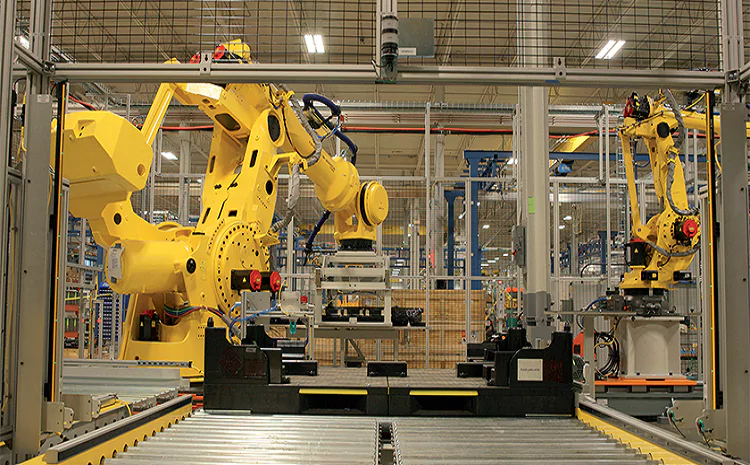
    Automation is the backbone of modern industries, streamlining processes, boosting productivity, and ensuring accuracy. From manufacturing to healthcare, general automation encompasses a vast range of components, such as pushbuttons, cables, PCBs, flow meters, and measuring systems. Leading global brands like Siemens, Allen Bradley, Omron, ABB, and others provide reliable automation solutions tailored to specific needs. Let’s explore these essential components, their applications, and the brands leading the charge.

    Key Components of General Automation

    Pushbuttons

    Types of Pushbuttons

    Pushbuttons are vital for initiating, stopping, and controlling processes in automation systems. They come in various types, such as:

    • Momentary Pushbuttons: Active only when pressed.
    • Toggle Pushbuttons: Maintain their position after being activated.
    • Illuminated Pushbuttons: Equipped with lights for visibility in complex systems.

    Applications in Automation

    From assembly lines to elevators, pushbuttons ensure seamless operations. Their ergonomic design and robust construction make them indispensable in industrial environments.

    Cables and Connectors

    Types of Industrial Cables

    Cables are the lifelines of automation systems, transmitting power and data. Common types include:

    • Coaxial Cables: For high-frequency signals.
    • Fiber Optic Cables: For long-distance communication.
    • Control Cables: For connecting equipment.

    Importance in Automation Systems

    Proper cabling minimizes downtime and ensures uninterrupted operations, making it a cornerstone of effective automation.

    Printed Circuit Boards (PCBs)

    What Are PCBs?

    PCBs are the backbone of electronic systems, housing components and providing electrical connections.

    Role in Automated Systems

    In automation, PCBs power sensors, controllers, and communication systems, ensuring seamless functionality.

    Flow Meters

    Different Types of Flow Meters

    Flow meters measure liquid or gas flow in systems, with types like:

    • Electromagnetic Flow Meters
    • Ultrasonic Flow Meters
    • Turbine Flow Meters

    Their Use in Industrial Settings

    From chemical plants to water treatment, flow meters are critical for monitoring and optimizing fluid dynamics.

    Measuring Systems

    Essential Measuring Tools

    These systems include temperature sensors, pressure gauges, and distance measuring devices, ensuring precision in automation.

    Integration in Automation

    Automated measuring systems reduce human error, boosting efficiency and accuracy.

    Leading Brands in General Automation

    Siemens

    Siemens is a pioneer in automation, offering solutions that integrate seamlessly with modern industrial needs.

    Allen Bradley

    A trusted name in automation, Allen Bradley specializes in controllers and smart automation systems.

    Omron

    Omron provides advanced sensing and control technologies, enhancing automation processes.

    ABB

    Known for its innovative robotics and control systems, ABB is a key player in industrial automation.

    Schneider Electric

    With a focus on sustainability, Schneider Electric offers energy-efficient automation solutions.

    Mitsubishi

    Mitsubishi’s automation technologies include advanced PLCs and motion control systems.

    Pilz

    Pilz excels in safety automation, providing systems that ensure operational security.

    Benefits of General Automation

    Increased Efficiency

    Automation reduces manual tasks, speeding up processes and enhancing productivity.

    Cost Savings

    By minimizing waste and errors, automation significantly cuts operational costs.

    Enhanced Safety Standards

    With real-time monitoring and fail-safes, automation improves workplace safety.

    The Future of General Automation

    Emerging Trends

    Trends like AI integration, IoT-enabled devices, and smart manufacturing are reshaping automation.

    Opportunities for Innovation

    As technology evolves, automation systems will become more efficient, versatile, and sustainable.

    Conclusion

    General automation is the cornerstone of modern industry, driven by innovative components and reliable brands. From pushbuttons to PCBs, each element plays a crucial role in streamlining operations. By investing in high-quality automation solutions, businesses can ensure efficiency, safety, and profitability.

  • Sergey Tokarev: AI Is a Must-Have for Businesses

    Sergey Tokarev: AI Is a Must-Have for Businesses

    Artificial Intelligence has been in the spotlight since it was launched. Industry leaders and seasoned experts have discussed much about how AI can transform the future, from routine duties to complex tasks. This topic was also raised at Web Summit 2024. Sergey Tokarev, co-founder and partner at Roosh Ventures, shared facts about the breakneck growth and penetration of AI into the modern business world.

    According to Sergey Tokarev, AI is no longer just a buzzword. It is steadily becoming a core part of our everyday lives and how businesses operate today. At Roosh, the entrepreneur has invested in AI-based startups and products.

    “AI will become commonplace. Web Summit proves it, and makes one thing abundantly clear—AI is transitioning from a trend to a fundamental aspect of how we work, innovate, and live. This transformation is not just on the horizon; it is happening now,” says Tokarev.

    AI Adoption Across Industries

    It is difficult to find a market sector where Artificial Intelligence is not implemented. Healthcare, finance, retail, and manufacturing are among those segments witnessing rapid AI adoption rates. Sergey Tokarev shares a McKinsey & Company survey which reports that 65% of enterprises regularly use generative AI, nearly double the figure from just ten months ago.

    Artificial Intelligence

    In 2024, investment in AI startups surged by 45% compared to the previous year, reaching $127 billion globally, according to PitchBook.

    The investor commented that tech giants have also been enhancing the industry. Microsoft announced a $1.3 billion investment over the next three years to enhance AI infrastructure and initiatives aimed at promoting digital and AI skills. Google, meanwhile, is collaborating with several European AI research labs, artists, and scientists to explore how AI can meet diverse needs and strengthen Europe’s position in AI research.

    AI: A Must-Have for Modern Businesses

    Businesses always look for win-win approaches to stay competitive. Artificial intelligence has become a critical component for companies to succeed. Sergey Tokarev commented that companies that ignored AI risked obsolescence, while those who embraced it were at the forefront of a new era. Further, the businessman exemplifies some of the most impactful AI applications in business:

    1. Streamlining Operations: AI automates repetitive tasks, significantly boosting operational efficiency.
    2. Transforming Customer Support: AI-driven tools reduce response times, enable human agents to focus on complex issues, and improve the overall customer experience.
    3. Data Analysis at Scale: AI processes massive datasets at incredible speeds, identifying trends and insights that would be impossible for humans to uncover.
    4. Personalized Products and Services: From tailored streamlined recommendations to wearable health trackers, AI enables hyper-personalization.
    5. Innovating Business Models: AI powers new platforms that connect service providers and consumers in groundbreaking ways.

    Sergey Tokarev notes businesses must embrace AI, not as a futuristic novelty but as a core driver of their current and future success. Individuals should also seek to understand and use AI tools to improve their productivity and creativity.

  • The Role of Nutrition in Achieving a Six-Pack: How a Healthy Diet Shapes Your Abs

    The Role of Nutrition in Achieving a Six-Pack: How a Healthy Diet Shapes Your Abs

    Getting six-pack abs is one of the more reachable goals by regular exercisers, even though few understand just how great-looking and defined cores are owed to nutrition. Abdominal muscles are built by doing exercise; it is only through a clean and well-thought-out diet that the muscles will be revealed. Understanding how to fuel the body properly can make all the difference between frustration and success along your fitness journey.

    Why Nutrition Counts toward a Six-Pack

    You must have probably heard that, “Abs are made in the kitchen,” and it’s right. No amount of crunches or planks will burn that layer of fat hiding your abdominal muscles if you’re not eating right. You need to be on a calorie deficit, keep good nutrition going on for fat loss, and definition.

    Of course, a healthy lifestyle brings plenty of psychological benefits. You could even find that feeling confident in your progress might make you wanna use a six pack editor just to make your accomplishments pop. At the end of the day, feeling fit is just as crucial as looking fit.

    six pack editor

    Basic Concepts of a Six-Pack Diet

    Getting those abs to show requires a diet of balance, consistency, and quality. Here’s what to focus on:

    • High-Protein Foods:
    • Protein is highly essential for the building and repair of muscles. It keeps you full for a longer period, hence minimizing cravings. Include lean meats, eggs, fish, tofu, and legumes in your meals.
    • Complex Carbohydrates:
    • While some people run away from carbs, they are important for energy. Choose whole grains, sweet potatoes, and quinoa; these foods will provide sustained energy without spiking one’s blood sugar levels.
    • Healthy Fats:
    • Avocados, nuts, seeds, and olive oil are the best sources of fats that contribute to overall health and keep you full.
    • Fruits and vegetables:
    • They contain loads of vitamins, minerals, and fiber. These aid in digestion and contain antioxidants to help recover from high-intensity workouts.
    • Hydration:
    • Water is often overlooked, but staying hydrated aids metabolism and muscle function. Make water your go-to beverage and limit sugary drinks.

    Foods to Avoid

    To maximize your results, avoid these dietary pitfalls:

    • Processed Foods: Most of them are highly loaded with harmful fats, sugars, and empty calories.
    • Sugary snacks and drinks: Too much sugar is converted into and stored as fat, hindering progress.
    • Alcohol: alcoholic beverages are high in calories and they interfere with your metabolism.

    How Meal Timing Plays a Role

    This may be the most underestimated thing that influences your six-pack journey: when and how you eat. Many gym rats swear by strategies like intermittent fasting-eating all your daily calories in a specific window of time-while others maintain energy levels with smaller, more frequent meals. Find out what works best for you and your body.

    Beyond Nutrition: The Big Picture

    While diet is paramount, for six-pack abs, the following are required: Consistent Exercise: A combination of strength training and cardio helps in burning calories and defining body muscles. Adequate sleep: Sleep helps in recovering muscles and controls hormones related to appetite. Manage your stress: Too much constant stress increases overeating, thereby interfering with your fat loss. Engage yourself in mindfulness, yoga, or meditation. Celebrating Progress Along the Way Fitness is a journey, and small wins count. It may be just a few pounds lost, or it might be that you can finally see the outline of your abs; whatever it is, take the time to appreciate yourself. Sometimes, that might even include taking a quick selfie-because who doesn’t love to add smile to photo online and share their success with friends?

    Conclusion

    Getting a six-pack is not about doing endless crunches; it’s all about adopting an overall approach to nutrition and health. Give attention to whole, nutrient-rich foods and focus on making sustainable lifestyle changes that will help you reveal your abs and improve your overall health. Remember, patience and consistency are key to lasting results. It is now time to get in the kitchen, plan the meals, and head into those fitness goals with confidence.