Category: Pests

  • How To Get Rid Of Bumble Bees Naturally?

    How To Get Rid Of Bumble Bees Naturally?

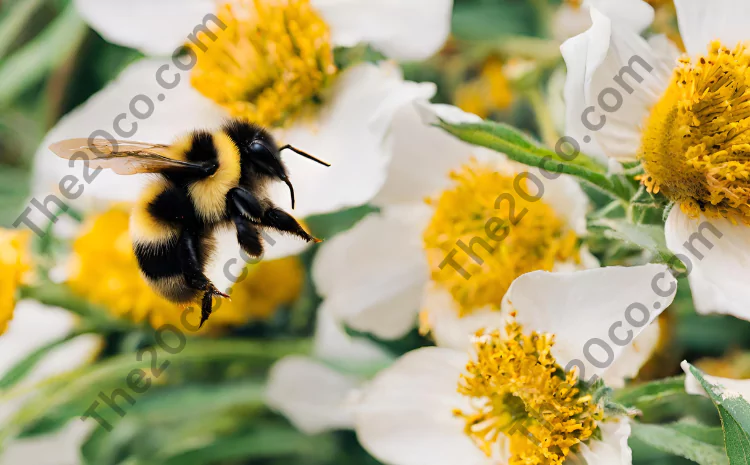
    Outdoor bumble bee nests and indoor infestations can be alarming. But there are effective methods for removing bumble bees without harming these vital pollinators or using harsh chemicals. This guide covers natural bumble bee deterrents plus humane removal tactics.

    Key Takeaways

    • Bumble bees are docile and rarely sting unless defending their nest. Avoid swatting at them.
    • Natural repellents like mint, citronella, cedarwood, and lemongrass oils deter bees from lingering.
    • Remove appealing flowers, cover trash cans, seal openings, and use fans to prevent nesting spots.
    • At night, carefully seal nest entrances or use a bee vacuum to safely collect and relocate bees.

    Understanding bumble bee behaviors and removing attractants can get rid of them without toxicity. Let’s explore smart, eco-friendly solutions!

    Why Avoid Killing Bumble Bees?

    While scary when swarming, bumble bees are extremely beneficial as prolific pollinators of crops and wild plants. Killing bees contributes to declining populations, which severely impacts ecosystems, agriculture, and our food supply.

    Other reasons to avoid harming bumble bees:

    • They have round, furry bodies with no honeycomb-shaped hives. Easily distinguished from more aggressive yellow jackets.
    • Docile by nature, focusing on foraging – they do not generally attack or sting people without major nest disturbance.
    • Non-aggressive bees like bumbles boost garden yields through extensive flower pollination.

    So live and let buzz! Deterrents and humane removal tactics allow coexistence safely.

    Effective Natural Bumble Bee Repellents

    Certain natural scents chase bees away by maskingflower nectar smells they home in on. Safe DIYrepellent options include:

    • Mint oil – Strongly deters bees. Spray pure mint oil diluted with water around unwanted areas. Grow mint plants.
    • Citronella – Used in commercial bug sprays and candles. The lemony aroma repels bees. Use citronella essential oil or plants.
    • Cedarwood – Its woodsy fragrance makes gardens and patios less enticing nesting spots. Use cedar mulch or essential oil.
    • Lemongrass oil – Adds a pleasant lemony-herbal scent. Dilute with water to spray bee-prone zones.
    • Cloves – Extremely potent and disliked by bees. Cloves or clove oil help block nest entry points.

    Check that repellents won’t irritate kids, pets, wildlife, or plants before wide application. Target problem zones instead of blanket spraying.

    Deterring Bumble Bee Nests

    Preventing outdoor nests proactively is ideal. Reduce appealing sights, smells, and entry points:

    • Remove flowering plants and fallen fruit that attract hungry bees.
    • Cover trash cans securely – sweet residues lure bees.
    • Seal openings like gaps under roofing, between bricks, or cracks in wood that provide nest access.
    • Use fans near entry points – bees dislike strong airflow.
    • Install window screen covers to block indoor entry.
    • Use insect-deterring plants like lavender, catnip, and wormwood.

    Vigilantly maintaining your property minimizes needs for reactive nest removal later.

    Safe Bumble Bee Nest Removal Methods

    If bumble bees persist in settling around your home, gentle removal tactics include:

    • At night, carefully seal nest entry points with caulk, expanding foam, wood, or metal screens. The colony will safely vacate over several days once unable to enter.
    • Use a bee vacuum – specially designed vacuums safely collect bees alive into a chamber for relocation. Do at night when bees are less active.
    • You can also hire a licensed beekeeper to handle removal and adopt the bees rather than eliminating them.
    • As a last resort if bees pose an imminent threat, insecticide dust in nest entries kills them quickly but use extremely sparingly.

    Avoid attempting removal in daytime when bees are buzzing about. Be patient over a week or more for them to fully vacate sealed nests.

    Final Verdict

    Humane bumble bee deterrents like cedar, mint, and citronella combined with sealing attractants allows coexisting safely. Trapping bees alive or blocking nest access enables bee-friendly removal. With proper extermination as a last resort only, you can enjoy outdoor living minus the swarming worries through gentle, natural solutions.

  • How To Get Rid of Carpenter Bees With WD-40

    How To Get Rid of Carpenter Bees With WD-40

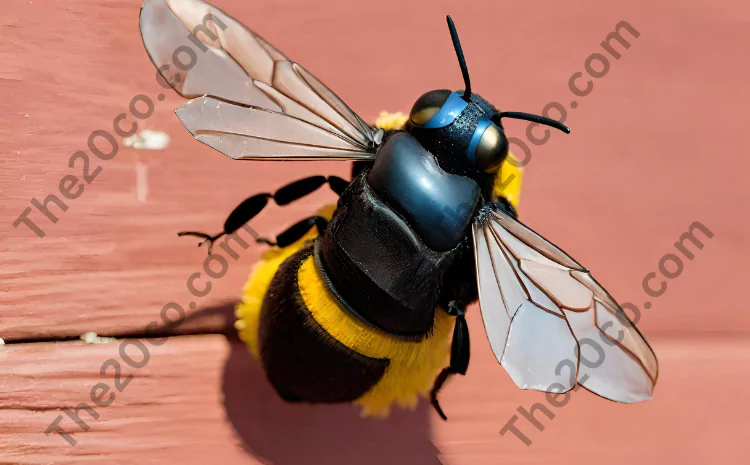
    Wood-boring carpenter bees tunneling holes into your home’s exterior clearly pose problems. When exploring pest control solutions, you may wonder – can WD-40 kill carpenter bees?

    While not its originally intended use, WD-40’s spray formula proves highly effective for getting rid of carpenter bee infestations through direct contact killing and residual repelling properties.

    Key Takeaways

    • Spray bee nest entries directly at night when bees are inside
    • Apply every few days for 2 weeks to kill newly emerged bees
    • Use foam filler to block nest holes permanently after treatment
    • Complement with residual sprays and exclusion tactics for robust protection

    Together, leveraging WD-40 plus comprehensive bee proofing steps keeps carpenter bees away for good!

    Why Carpenter Bees Are Destructive Pests?

    Carpenter bees – named for their wood boring activity – resemble bumblebees but boast shiny abdomens. Ranging 1⁄2 to 1-inch long depending on species, males don’t sting but can seem intimidating while aggressively defending territories.

    Females however inflict painful stings if provoked! But the real damage arises from carpenter bees:

    • Tunneling half-inch holes into wood siding, eaves, decks
    • Weakening structures extensively once colonies expand in subsequent years
    • Pollinating plants less effectively unlike more docile bees

    Preventing holes now avoids expensive repairs later. So controlling populations is key!

    Using WD-40 Against Bees

    WD-40 first entered homes 60 years ago as a rust-prevention spray. Today WD-40 is still trusted for lubricating sticky mechanisms and dispersing moisture electrically.

    Around yards, many pest pros and beekeepers also swear by WD-40’s insecticidal effects on bees thanks to these active ingredients:

    • Light mineral oils – Suffocate soft bee bodies on contact
    • Solvents + propellants – Disrupt insect nervous system functions

    Applied directly into nesting holes at night when carpenter bees are inside, WD-40 is highly effective killing them.

    Procedure to Kill Carpenter Bees With WD-40

    Follow these steps using WD-40 for bee removal:

    1. Wait for full darkness when bees are in tunnels
    2. Spray WD-40 thoroughly inside all visible nest holes
    3. Reapply spray every 2-3 days for 2 weeks to kill newly emerged generations
    4. Plug holes tightly with caulk or foam filler so they can’t return

    By methodically spraying at dark when bees are dormant inside then blocking tunnels, the WD-40 traps and suffocates populations wiping out whole infestations over time.

    Extra Protection Recommendations

    While WD-40 handles direct elimination, we also suggest:

    • Install porch/deck box traps as secondary capture zones
    • Apply residual sprays containing permithrinmonthly around windows and overhangs
    • Seal cracks with copper mesh excluding easy home entry points

    With this 3-pronged approach, WD-40 plus exclusion and active deterrence, carpenter bees struggle gaining footholds near structures. Your victory against buzzing pests awaits!

  • Do Spiders Have Bones?

    Do Spiders Have Bones?

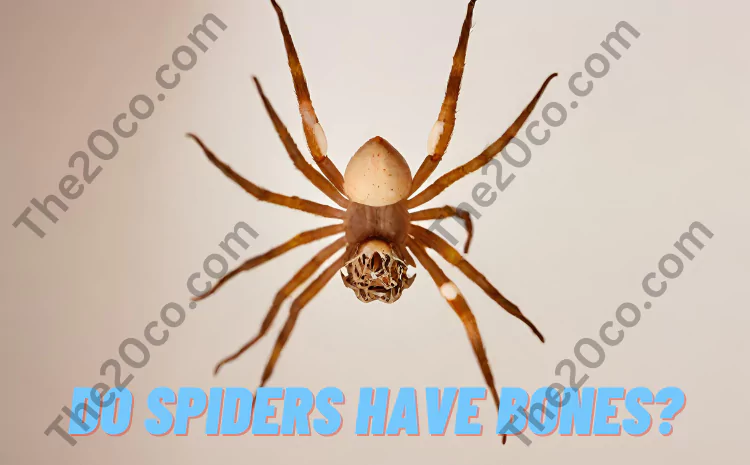
    As you observe a spider crawling or dangling from its intricate web, have you ever wondered – do spiders have bones protecting their bodies like humans and other animals?

    It may be surprising to learn spiders do not have internal bones at all. Read on to understand their unique anatomy more closely.

    Key Takeaways

    • Spiders lack an internal skeleton and bones
    • Instead, they rely on an external shell called an exoskeleton
    • Made of chitin, the tough exoskeleton supports body structure
    • Spiders periodically molt, shedding their exoskeletons as they grow
    • Newly formed soft exoskeletons harden offering renewed support

    Knowing spiders entirely lack a bony endoskeleton gives even more appreciation for the versatility of their unusual physique.

    Decoding the Spider’s Anatomy

    All spiders belong to a family of creatures called arthropods – jointed animals with segmented bodies. Beyond spiders, ants, crabs, and lobsters are also arthropods.

    A key anatomical trait binding arthropods is having an exoskeleton rather than internal bones.

    Understanding Exoskeletons

    An exoskeleton refers to a protective outer shell covering an organism’s body. This armor-like cocoon shapes the body while shielding inner organs.

    For spiders, the main component forming exoskeletons is chitin, a tough, flexible polysaccharide material. Chitin comprises the fine hairs, fangs, spinnerets, legs, and cephalothorax sections too.

    Beyond physical support, an exoskeleton also assists with:

    • Protecting against predators
    • Enabling movement via attached muscles
    • Preventing water loss

    Its design allows spiders to scale steep verticals and hang upside down effortlessly!

    Growing Out of Exoskeletons Through Molting

    As arachnids including spiders grow, their hard exoskeletons cannot expand in size. This would choke their internal organs.

    Instead, spiders shed their rigid exoskeletons periodically, growing a new flexible replacement underneath. This process is called molting.

    During molting cycles:

    1. A new soft exoskeleton forms under the current hard shell
    2. Digestive enzymes loosen part of the old exoskeleton
    3. The spider emerges leaving its shell behind
    4. Over days to weeks, the new exoskeleton hardens offering renewed support

    Through successive molts, spiders can continue growing steadily throughout life. They may molt up to 10 times before reaching maturity.

    Do Other Arachnids Like Scorpions Have Bones?

    Scorpions represent another well-known arachnid. Like their spider cousins, scorpions also:

    • Boast armor-like exoskeletons without bones
    • Must regularly molt their protective external shells
    • Can regrow lost limbs after molting

    So whether spiders, scorpions or ticks, no arachnid possesses true internal bones. But durable exoskeletons efficiently replace skeletons.

    The Takeaway

    When wondering “do spiders have bones?”, the short answer then is no! Spiders rely on tough yet flexible external exoskeletons for shape, structure and dexterity.

    Molting enables growing by shedding old shells for new. Take a closer look next time you find a spider or its abandoned molted exoskeleton. Understanding arachnid anatomy gives new admiration for these skittish creatures!

  • What Does a Cockroach Bite Look Like?

    What Does a Cockroach Bite Look Like?

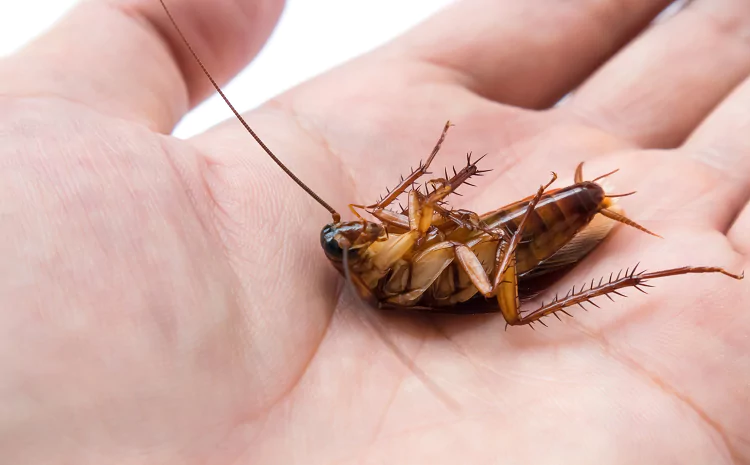
    Cockroaches are notorious household pests that can leave behind bites. But what does a cockroach bite look like exactly? And how can you identify and treat the bites?

    Key Takeaways

    • Cockroach bites resemble small, red bumps similar to mosquito bites
    • They typically appear in clusters and may be itchy
    • Properly identify bites since they can be confused with other insect bites
    • Treat bites with topical creams and practice good wound care
    • Getting rid of roaches using poison baits, traps, and cleaning prevents more bites

    While not all species of cockroaches bite humans, some can leave small, red bumps on the skin that are sometimes itchy. Read on to learn all about cockroach bites so you can spot them and take care of them properly if they do occur.

    Do Cockroaches Bite Humans?

    Over 4,000 species of cockroaches exist worldwide but only around 30 of those interact with humans. Out of the species that live amongst people, only a small subset actually bites humans.

    The most common biting roaches are:

    • German cockroaches
    • American cockroaches
    • Australian cockroaches
    • Brown-banded cockroaches

    These cockroaches bite exposed skin such as the face, arms, hands, etc. Their bites often occur at night since these insects are nocturnal.

    Roaches don’t see humans as a food source. Instead, cockroach bites happen by accident like if one gets trapped against your skin or tangled in hair or clothing.

    What Does a Cockroach Bite Look Like?

    So what does a cockroach bite look like after it happens? Here is how to identify cockroach bites on your body:

    The bites resemble small bumps that are red and slightly raised. They are usually about 1-4 mm wide.

    Some other key traits of cockroach bites include:

    • Red, inflamed, raised welts on skin
    • Bumps have a flat, oval shape generally
    • May be clustered together in a group
    • Can be itchy but not always

    Since cockroach bites share many visual similarities with other insect bites, they often get mistaken for:

    • Flea bites
    • Spider bites
    • Bed bug bites
    • Mosquito bites

    Pay close attention for the cluster formation. Also take note if bites appeared after seeing roaches around your home recently. These clues can help correctly pinpoint the source as roaches.

    Treating Cockroach Bites

    Cockroach bites clear up on their own over the span of a few days up to a week. But you can help speed up healing and relieve itching with these at-home treatment tips:

    • Clean bites gently with soap and water
    • Apply antibiotic creams to prevent infection
    • Take antihistamines for swelling and itching relief
    • Don’t scratch bites to avoid wounding skin more

    More severe cockroach bites may require medical treatment. Seek emergency care if you experience:

    • Difficulty breathing
    • Swelling in throat area
    • Dizziness or nausea

    These reactions could signify a serious allergic reaction that needs immediate medical attention.

    Preventing Future Roach Bites

    Getting rid of household roaches is key to prevent more bites from occurring. Follow these crucial roach prevention tips:

    Set out roach killer bait stations in infested areas around your home. Look for poisons that use fipronil, boric acid, or hydramethylnon as active ingredients.

    Use sticky traps and pheromone traps to catch roaches. Check traps daily to monitor activity. Replace them once full.

    Eliminate food sources and hiding places that attract roaches by cleaning vigilantly. Fix any leaky pipes, seal cracks, empty trash frequently, etc.

    Combining methods creates the strongest roach-fighting strategy so bites don’t happen in the first place.

    Final Verdict

    While many people may not even realize when a cockroach bites them, knowing what to look for can help identify roach bites properly. They manifest as red, raised bumps on the skin that cause mild to moderate itchiness.

    Treating bites for comfort and preventing roach infestations from worsening are key to avoid getting bitten more. With how rapidly cockroach populations grow, getting them under control is crucial for helping minimize bites.

  • Does Lysol Kill Lice? How to Effectively Treat Lice Infestations

    Does Lysol Kill Lice? How to Effectively Treat Lice Infestations

    While Lysol disinfectant spray can kill many infectious germs, it unfortunately does not kill lice or lice eggs (nits). The CDC also warns against using pesticides to treat lice, as they may be toxic. However, there are safe and effective methods to kill and remove lice at home.

    Key Takeaways

    • Lysol should not be sprayed directly on hair or skin to treat lice
    • Combing and brushing are best for mechanically removing lice after chemical treatments
    • Soaking combs/brushes in rubbing alcohol or lice treatment can disinfect between uses
    • Shampoos containing proven pesticides can kill lice, but take time to work fully

    Understanding what does (and does not!) work against difficult lice infestations is key for effective removal. Read on for science-based, safe advice.

    Dangers of Using Lysol and Pesticides Against Lice

    When faced with an itchy lice infestation, it’s tempting to reach for the strongest chemical solutions. However, caution is warranted.

    The active ingredients in many common disinfectant sprays and cleaners, including Lysol, have not been scientifically proven to kill lice or nits.

    While they can disinfect surfaces, applying these pesticides directly to human hair and skin comes with health risks, per the CDC:

    • Skin and eye irritation
    • Asthma exacerbation from fumes
    • Even seizures and death if accidentally ingested

    For these reasons, Lysol and similar pesticide sprays should never be used directly on people to treat lice. The dangers outweigh any ineffective treatment benefits.

    Evidence-Based Ways to Effectively Kill and Remove Lice

    If sprays like Lysol don’t kill lice, what does? And how do you fully remove the parasites once deceased?

    Here are medically-recommended tactics to break lice infestations:

    Kill Live Lice with Chemical Shampoos

    While not a quick fix, shampoos containing insecticides shown to kill lice, like permethrin or pyrethrins, remain a mainstay.

    However, it takes up to 12 hours for these chemicals stop lice from moving or feeding so eggs aren’t viable. Be patient and allow the treatment to fully work before combing out!

    Loosen Nits and Remove Lice Mechanically

    Once lice are deceased post-chemical treatment, nit combs and brushes excel at mechanical removal:

    • Use a lice comb to systematically check sections of hair from root to end
    • Gently remove nits by sliding a comb “tooth” under them
    • Avoid damaging hair by working in small sections vs. yanking
    • Follow with a bristle brush to remove stray nits

    This combing and brushing process is key, chemical treatment alone won’t physically clear lice!

    Disinfect Combs and Brushes Between Uses

    To prevent lice spread while combing out multiple family members:

    • Soak combs and brushes for 1 hour in rubbing alcohol or chemical lice treatments
    • Or, soak overnight (8+ hours) in very hot, soapy water

    This kills any stray lice/nits so tools don’t spread the infestation.

    Treatment StageMethodNotes
    Kill live liceMedicated shampooTakes 8-12 hours to work
    Mechanically remove deceased lice/nitsNit comb + brushComb hair section-by-section
    Disinfect combs/brushesSoak in alcohol or hot, soapy waterPrevents spread

    Continued Vigilance Against Re-Infestation

    Be sure to re-check for lice 5-9 days after treatment since no method is 100% effective alone. Continually comb, wash bedding on hot, and limit head-to-head contact moving forward.

    Catching re-infestations quickly can halt another outbreak and nasty itch cycle in its tracks for good!

    In summary, while Lysol does not treat lice, proven pesticide shampoos followed by diligent nit removal offer chemical and mechanical tactics for winning the battle against lice long-term.

  • The Art of Home Hygiene: Daily Practices for a Pest-Free Living Space

    The Art of Home Hygiene: Daily Practices for a Pest-Free Living Space

    The importance of maintaining home hygiene to prevent pest infestations is a subject of increasing relevance.

    Art of Home Hygiene
    Photo by Sidekix Media on Unsplash

    Inadequate hygiene practices provide ideal conditions for pests like ants, cockroaches, and rodents to thrive, leading to potential health risks and property damage. 

    These pests, attracted by food remnants and unclean environments, can contaminate food and surfaces, posing a risk to human health. 

    Daily Hygiene Practices

    Regular Cleaning Habits

    Effective cleaning is key in deterring pests. This includes regular sweeping, mopping, and vacuuming to remove food crumbs and debris. 

    Specifically, keeping kitchen areas, bathrooms, and general living spaces clean and tidy can significantly reduce pest attraction. 

    Cleaning practices should also extend to regularly wiping down surfaces and ensuring all nooks and crannies are free of food particles and dust.

    Proper Food Storage and Waste Management

    Proper storage of food in airtight containers is crucial to prevent attracting pests. It’s also vital to dispose of food waste correctly, using sealed bins and disposing of garbage regularly. 

    This helps to eliminate the food sources that pests seek. Keeping your kitchen and dining areas clean minimizes potential food sources for pests, and regular inspection and maintenance of food storage areas are essential to deter pests like ants and cockroaches.

    Addressing Moisture and Leakages

    Leaks provide a constant source of water, which attracts pests like cockroaches and ants. Identifying and fixing leaks promptly eliminates this water source and discourages pests. 

    Regular maintenance, including checking for cracks and gaps, is crucial to keep these unwanted guests at bay.

    Preventive Measures

    Sealing Entry Points

    Sealing cracks, gaps, and openings is an effective way to block pest entry points. Common areas to inspect include windows, doors, vents, pipes, and foundations. 

    Using appropriate sealants or caulking can help close off any openings, while weatherstripping can be applied to doors and windows for additional protection.

    Regular Home Maintenance

    Maintaining the structural integrity of your home is crucial in preventing pest infestations. Regularly inspecting and repairing any structural damages helps seal off entry points for pests. 

    A well-maintained garden or yard also plays a role in deterring pests from nesting or breeding near the house.

    Monitoring and Early Detection

    Methods for Monitoring Signs of Pest Activity

    Effective pest management begins with vigilant monitoring for signs of pest activity. This includes regularly inspecting areas of your home for telltale signs such as pest droppings, damaged food packages, gnaw marks, or unusual smells. 

    Common pests like rodents, insects, and termites leave distinct trails or damages that can be easily spotted with careful observation. Setting up traps or bait stations in strategic locations can also help in detecting pest presence early on.

    Steps to Take Upon Early Detection of Pests

    Once you detect signs of pests, it’s crucial to act swiftly to prevent a full-blown infestation. The first step is to identify the type of pest you’re dealing with, as this will determine the appropriate course of action. 

    Depending on the severity and type of pest, measures can range from simple home remedies to more extensive extermination processes. 

    Cleaning the infested area thoroughly, sealing entry points, and removing potential food sources are immediate steps to take. For larger infestations or if you’re unsure about the type of pest, seeking professional advice may be necessary.

    Professional Pest Care Services

    When and Why to Consider Professional Pest Control

    Professional pest control should be considered when home remedies and DIY methods are ineffective, or when dealing with dangerous or large-scale infestations. 

    Professionals have the expertise, equipment, and specialized products to effectively and safely eliminate pests. They can also provide targeted solutions based on the specific type of pest and the extent of the infestation. 

    Furthermore, some pests, like termites or bed bugs, are particularly difficult to eradicate without professional help.

    Tips for Finding a Reliable Pest Care Service Near You

    When looking for a pest control service, consider the following tips:

    1. Research and read reviews to gauge the reputation of the service.
    1. Look for licensed and insured pest control providers to ensure quality and reliability.
    1. Ask for recommendations from friends, family, or local community groups.
    1. Inquire about their methods and products to ensure they are safe for your home and if you have pets or children.
    1. Check if they provide a guarantee for their services.

    Importance of Local Expertise in Pest Management

    Local expertise in pest management is invaluable. Pest control companies with local experience are familiar with the specific types of pests common in the area and their behavior patterns. 

    They are also more likely to be aware of local regulations and environmentally safe practices. Additionally, local services can provide quicker response times and follow-up services if needed.

    Implementing these monitoring strategies and knowing when to seek professional help are key steps in maintaining a pest-free living environment. Regular vigilance and prompt action at the first signs of pest activity can save time and resources in the long run, ensuring a healthier and more comfortable home.

    Statistics and Recent Trends

    In 2024, the pest control industry has seen some notable trends and statistics. Businesses, particularly in the Western United States, are adapting to new challenges in pest control. 

    Rodents, including rats and mice, continue to be a significant problem, with changes in weather patterns and urban development affecting their behavior. 

    Additionally, bed bugs have become more prevalent in commercial settings, spurred by increased global travel. Stored product pests are also on the rise in warehouses and food processing facilities, necessitating integrated pest management strategies​​.

    Eco-friendly products and the use of technology are becoming increasingly important in the pest control industry. There’s a growing demand for green, eco-friendly pest control solutions, and technology, such as drones for safe roof inspections, is playing a larger role in the industry. 

    Custom services and offering convenient solutions to clients are also emerging trends, reflecting the increasing consumer expectation for personalized experiences​​.

    Extreme weather conditions, like heat waves, have impacted the pest control industry, influencing the behavior and prevalence of various pests. The industry is also adapting to economic fluctuations and changes in consumer behavior​​.

    Bed bugs, in particular, have seen a resurgence and are becoming more common due to factors like travel and the development of insecticide resistance. The spread of these pests highlights the importance of early detection and professional intervention​​.

    Wrapping Up

    Maintaining a pest-free living environment requires a combination of vigilant hygiene practices, early detection, and professional pest control services. Regular cleaning, proper waste management, and addressing moisture issues are key daily practices to prevent infestations. 

    Monitoring for pest activity and taking immediate action upon detection are essential. Professional pest control services become necessary when facing large-scale or complex infestations, and choosing a reliable service with local expertise is crucial.

    The pest control industry is evolving, with an increased focus on eco-friendly solutions and technology, reflecting changing consumer expectations and environmental concerns. As we adapt to these new challenges and trends, the role of individual and collective efforts in maintaining a pest-free environment remains paramount.